How to Prepare Your Austin Home's HVAC for Fall
Published: 2026-04-26 · By ProHVAC Austin AC Repair & Heating Services
As the sweltering Texas summer fades into the crispness of fall, homeowners in Austin might take a sigh of relief. But before you unwittingly turn off your air conditioning for the season, consider how your HVAC system could face the challenges of fluctuating temperatures and unpredictable storms. Austin's unique climate with its high humidity and the impending hurricane season means that your air conditioning and heating system should be well-prepared to tackle more than just the heat. Proper maintenance can extend the lifespan of your HVAC system, reduce energy costs, and keep your home comfortable through the autumn months.
Why This Matters for Austin Homeowners
Living in Austin means facing weather patterns that can be nothing short of extreme, ranging from scorching summer heat to sudden fall thunderstorms. These conditions can lead to not just an uncomfortable home environment, but also costly damage to your HVAC system if not prepared properly. The humidity levels during late summer and early fall can place extra pressure on both cooling and heating units, causing inefficiencies and possibly system failures.
Properties in the Austin area are built on clay soil, meaning expansions and contractions can affect your HVAC setup and ductwork. Unattended, such issues can result in significant foundation problems that may necessitate costly repairs down the line.
Furthermore, the impending hurricane season brings with it not just storms but the potential for hail damage. A well-functioning HVAC system is essential for ensuring home comfort under all circumstances, making seasonal checks and maintenance more important than ever.
Expert Solutions & Actionable Tips
1. Schedule a Comprehensive HVAC Inspection
Planning an HVAC inspection ahead of fall helps identify potential issues before they become costly repairs. You should aim to schedule your inspection in early September, giving your HVAC technician enough time to address any concerns before the weather turns. In Austin, a standard inspection typically costs between $80 to $150.
During this inspection, the technician will evaluate the system's overall health, including checking for leaks, testing efficiency, and inspecting components for wear and tear. Being proactive about maintenance can save you hundreds of dollars later by preventing breakdowns or inefficient functioning.
2. Clean or Replace Air Filters
One of the simplest tasks a homeowner can undertake is cleaning or replacing HVAC air filters. In Austin's dusty climate, filters tend to collect debris quickly, which can impede airflow and lower your system's efficiency. Aim to check your filters every month and replace them every three months; this ensures clean air circulating through your home.
Replacement filters can vary in prices, typically ranging from $15 to $30 each, but this investment contributes to better indoor air quality and overall system performance.
3. Clear Debris from Outdoor Units
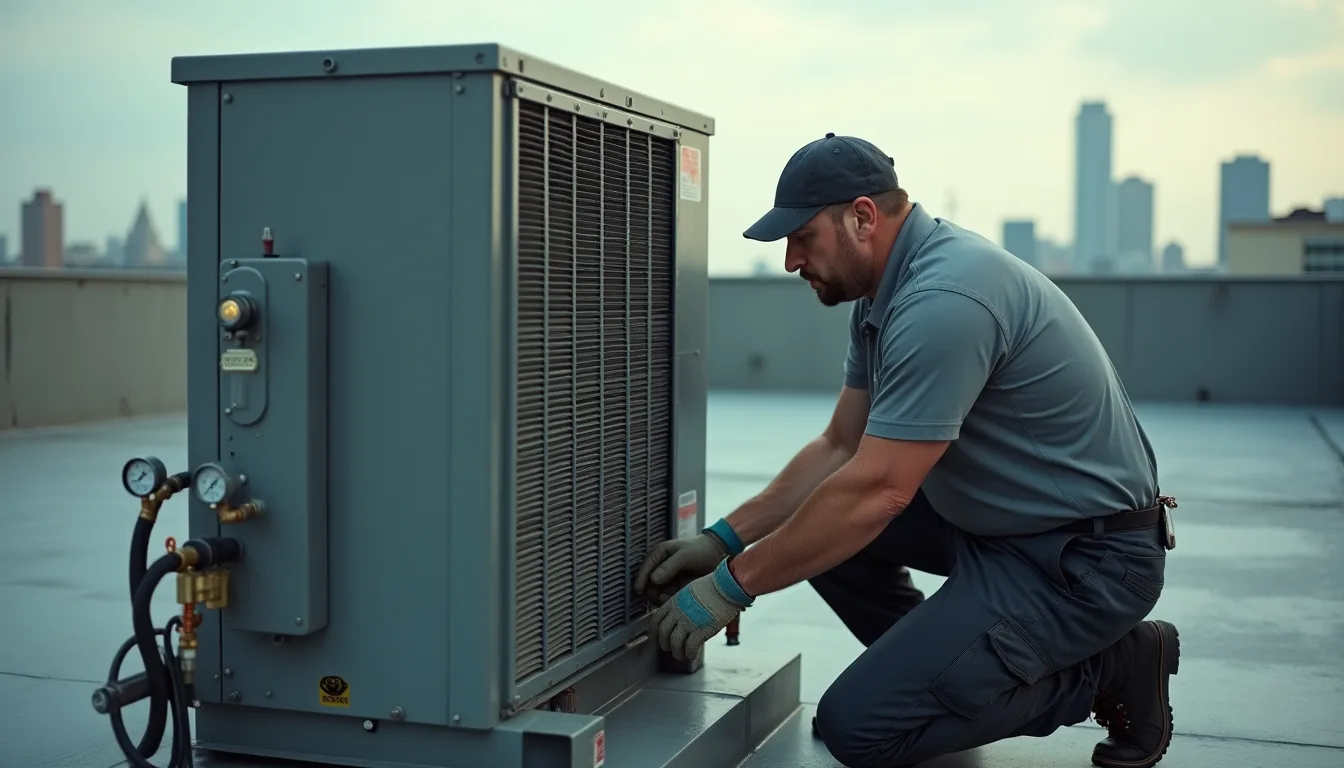
As leaves begin to fall, it is essential to ensure that your outdoor HVAC units are clear of debris, including leaves, dirt, and any other obstructions. These blockages can reduce the efficiency of your system and lead to overheating or failures.
Taking the time to clear around the unit typically takes less than an hour and can prevent future costly repairs or replacements. You may need to perform this check every few weeks in the fall, especially after storms or windy days.
4. Inspect Ductwork for Leaks or Damage
In homes across Austin, ductwork can easily become damaged, especially in properties where ground movement affects the structure. Inspecting your ducts for leakage should be done each fall, especially if you notice an increase in your heating bills.
Depending on the damage, costs for duct sealing can range from $300 to $500, but catching leaks early can significantly improve your system's efficiency and air quality. This inspection may require professional assistance to perform a complete evaluation.
5. Service Your Heating System
As temperatures begin to cool in Austin, it's time to transition from cooling to heating. Ensuring that your heating system is serviced and ready to go is vital, especially if it hasn't been used since last winter.
Service costs can vary between $100 to $200 for winter readiness checks, including thermostat calibration and system testing. This way, you'll be prepared for the first cold snap, ensuring comfort without any unexpected surprises.
6. Upgrade to a Smart Thermostat
If you haven't transitioned to a smart thermostat yet, now is an excellent time. These devices can optimize your HVAC system's efficiency by learning your habits and adjusting accordingly.
Prices for smart thermostats typically range from $100 to $250, but the energy savings they provide can quickly offset the initial investment, making it easier to manage temperatures as seasons change. You'll find controlling your HVAC even easier while away on fall vacations!
Austin Climate & Local Context
Austin's climate is marked by high humidity and extreme temperatures, which strain HVAC systems, making regular maintenance essential. The area also sees a variety of storms during the fall, which can complicate your cooling and heating needs. Homes here often face the challenge of foundation issues related to the clay soil that can lead to settling, causing ventilation problems or uneven air distribution.
Additionally, local building codes may require permits for certain HVAC modifications or upgrades, so it's important for homeowners to stay informed. When undertaking HVAC work, ensure that it adheres to local regulations to avoid fines or safety hazards.
When to Call a Professional
While basic maintenance can be carried out by homeowners, certain situations merit calling a professional. Knowing when to DIY versus hire an expert can save time and prevent injuries or further damage. If you encounter any of the following red-flag scenarios, it’s best to bring in HVAC professionals:
- Unusual noises, such as grinding or banging, which might indicate mechanical problems.
- Increased energy bills without a change in usage patterns, suggesting inefficiency.
- Persistent temperature inconsistencies between rooms, possibly signaling duct leakage.
- Water pooling around the HVAC unit, which could indicate leaks or drainage issues.
- Smells of burning or gas, which must be addressed immediately for safety reasons.
- Inability to adjust the thermostat settings successfully, meaning your system may not be functioning as intended.
In situations like these, a professional evaluation can ensure timely and efficient solutions tailored to your unique home needs.
Frequently Asked Questions
What should I do if my HVAC system is making strange noises?
It's crucial to address strange noises immediately. In Austin, contact ProHVAC Austin AC Repair & Heating Services for a thorough evaluation.
How can I tell if my air filters need replacing?
If your air filters appear dirty or if you haven't changed them in over three months, it's time for a replacement to maintain optimal airflow.
When is the best time to schedule an HVAC inspection?
Ideally, schedule your HVAC inspection in early September to ensure your system is ready for the fall temperatures.
Can I perform HVAC maintenance myself?
Yes, tasks like changing air filters and clearing debris are simple DIY jobs, but for complicated issues, professional help is recommended.
What is the average cost of HVAC servicing in Austin?
Typically, an HVAC service call in Austin can range from $80 to $200 depending on the service provided.
Get Expert HVAC Service in Austin
Prepare your home for the fall season by ensuring your HVAC system is running efficiently. For a thorough inspection and tailored solutions, call (737) 316-5526. Trust ProHVAC Austin AC Repair & Heating Services to keep your home comfortable through every season in Austin.
The proactive approach you take today will pay off in both savings and comfort tomorrow!