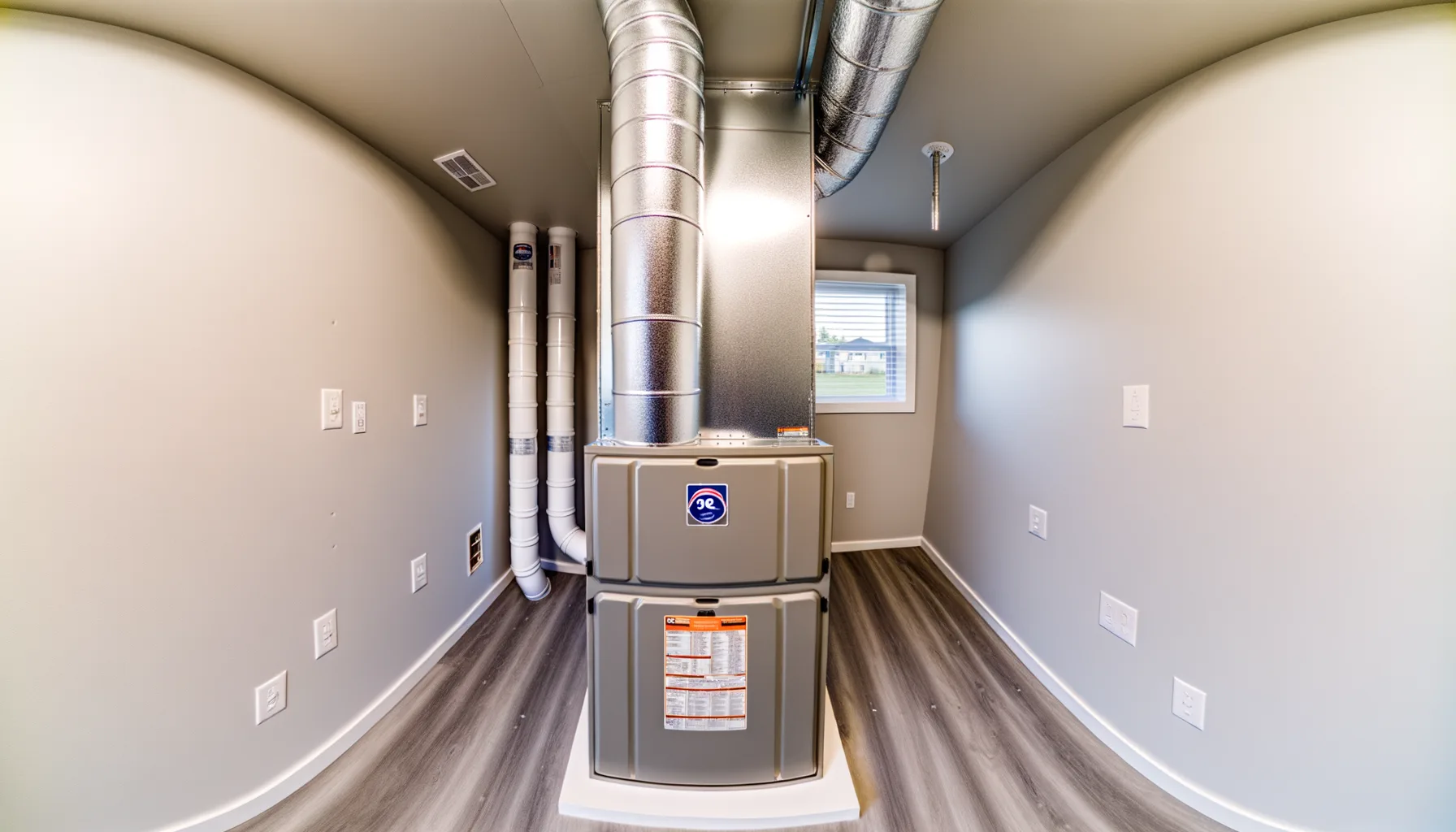
What to Do When Your HVAC System Breaks During a Austin Fall Storm
Published: 2026-04-26 · By ProHVAC Austin AC Repair & Heating Services
As the warm summer days in Austin give way to cooler fall evenings, the chaotic weather can quickly shift from serene to severe in a matter of moments. Imagine settling in for a cozy night, planning to enjoy the gentle breeze, only for a sudden storm to roll in, causing your HVAC system to fail. It’s a headache that many Austin homeowners can relate to, especially with the city's unpredictable weather patterns.
Why This Matters for Austin Homeowners
Austin's climate is known for extreme heat and high humidity, creating a significant reliance on efficient HVAC systems. When these systems break down during a fall storm, it not only disrupts comfort but can also lead to severe implications for health and safety. Austin homeowners must be vigilant, as heavy rains and high winds can exacerbate outages, causing damage that often goes unnoticed until it’s too late.
Consider the factors specific to our area: the clay soil beneath many Austin homes expands and contracts, which can impact the stability of ductwork and even the system itself over time. Additionally, many older homes may not be up to code when it comes to heating and cooling systems, putting residents at risk during severe weather. Regular maintenance checks are essential to navigate these challenges effectively.
Be proactive—ensure your HVAC system is up to par before the storm season begins to avoid unexpected failures during critical times.
Expert Solutions & Actionable Tips
1. Inspect Your HVAC System Regularly
Regular inspections of your HVAC system can save you a lot of trouble. In Austin, it’s wise to schedule a professional check-up at least twice a year, which typically costs between $75 and $150 per inspection. During these inspections, professionals assess the unit's efficiency, check for any wear and tear, and provide recommendations for repairs or upgrades.
Scheduling your inspections before the hurricane season ensures your HVAC system is operating optimally when you need it the most, giving you peace of mind in the unpredictable Texas weather.
2. Know the Signs of a Failing Unit
Identifying the early signs of HVAC failure is crucial. Common indicators include strange noises, inconsistent temperatures, or a spike in energy bills. In Austin, the average energy bill can jump by $100 or more in peak months; if that’s your reality, it’s time to investigate.
Take note—if you notice any of these problems, contact a local HVAC professional promptly to avoid a complete system breakdown during a storm. Quick action can often prevent costly repairs down the line.
3. Build a Backup Plan
Having a backup plan is essential for any homeowner facing unpredictable Texas weather. Portable air conditioning units range from $200 to $600, offering a temporary solution in emergencies. This is particularly helpful during power outages associated with severe storms.
Also, consider investing in a generator, which can cost anywhere from $500 to several thousand dollars. This way, you won’t be left sweating it out during a chaotic weather event!
4. Seal Your Ducts and Insulate
Properly sealed ducts and insulation minimize energy waste and improve system efficiency. In Austin, outdated duct systems can leak up to 30% of conditioned air, causing your unit to work harder than necessary. Hiring a professional to assess and seal ducts typically falls between $300 and $800.
By ensuring your ductwork is airtight and your home is well-insulated, you’ll maintain a more comfortable indoor climate during storms without overburdening your HVAC system.
5. Invest in Smart Thermostats
Upgrading to a smart thermostat can significantly enhance your HVAC system’s performance. Priced between $100 and $250, these devices allow you to control your home’s temperature remotely, ensuring efficient operation even during a storm.
This ensures your home remains comfortable while protecting your system from unnecessary strain, helping to avert breakdowns during crucial times. Plus, many models optimize energy usage, saving you money on utility bills!
6. Emergency Preparation Checklist
Preparing for unexpected HVAC failures can significantly reduce stress. Create a checklist that includes items such as extra batteries for flashlights, battery-operated fans, and even bottled water. In Austin, you might consider adding a cooling towel or portable evaporative cooler to manage extreme heat effectively.
Make sure you have the contact information for ProHVAC Austin AC Repair & Heating Services handy at all times. Knowing who to call can expedite the resolution process when disaster strikes.
Austin Climate & Local Context
Austin’s weather is unique; with scorching summers and the threat of fall storms, homeowners must be prepared. Our city experiences extreme humidity, which can lead to mold growth and other moisture-related issues if your HVAC system fails. Furthermore, homes built on clay soil often face foundation movements that can affect HVAC installations and ductwork. Regular inspections are not just beneficial but essential in preventing issues associated with climate problems.
When planning HVAC installations or repairs, ensure compliance with local building codes. Austin has specific requirements regarding energy efficiency that must be adhered to in residential projects. Skipping out on proper permits can result in stiff fines and further complications.
When to Call a Professional
While some HVAC issues can be resolved by handy homeowners, knowing when to call a professional is critical. Particular problems are best left to the experts to prevent further damage or safety hazards that can emerge with mishandling.
- Strange smells or smoke emanating from your unit
- Rapidly changing indoor temperatures
- Frequent system cycling on and off
- Blocked drains leading to possible water damage
- Increased energy bills with no change in usage
Austin residents should only attempt minor troubleshooting, such as changing air filters or checking thermostat settings. For all other issues, it’s advisable to reach out to professionals like ProHVAC Austin AC Repair & Heating Services.
Frequently Asked Questions
What should I do if my HVAC unit is making strange sounds?
If your HVAC system emits unusual sounds, such as hissing or banging, it’s best to turn it off and consult with ProHVAC Austin AC Repair & Heating Services immediately to prevent potential damage.
How often should I have my HVAC system serviced?
In Austin, it’s recommended to service your HVAC system at least twice a year for optimal performance, particularly before the heavy storm season.
Are there specific energy efficiency requirements for HVAC systems in Austin?
Yes, Austin has strict energy efficiency codes for residential HVAC systems to ensure homes are compliant and eco-friendly.
What is the average cost of HVAC repairs in Austin?
Most HVAC repairs in Austin range from $150 to $1,000, depending on the issue and parts needed, so it's essential to get estimates beforehand.
Can I install an HVAC system myself?
While it's possible for resourceful DIYers to install certain components, it’s advisable to consult a professional for full installations to meet local code requirements and ensure safety.
Get Expert HVAC Service in Austin
As an Austin homeowner, your comfort during fall storms should never be compromised. If your HVAC system falters, don't hesitate to call (737) 316-5526 for prompt and reliable service.
ProHVAC Austin AC Repair & Heating Services is here to provide expert HVAC solutions tailored to the local climate and your specific needs. Don't wait until it's too late; reach out today!