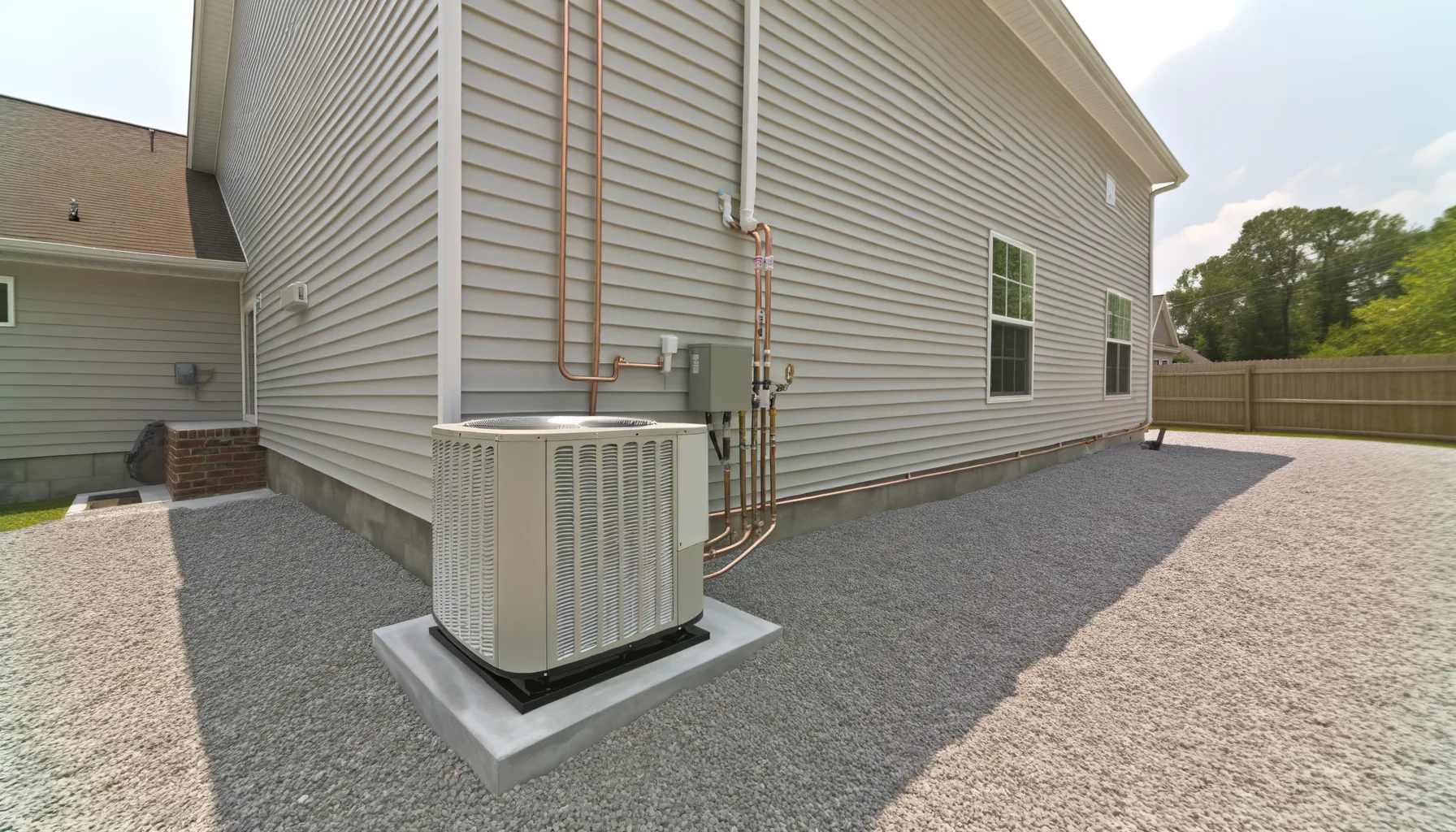
Why Austin Builders Choose Specific HVAC Brands: An Inside Look
Published: 2026-04-26 · By ProHVAC Austin AC Repair & Heating Services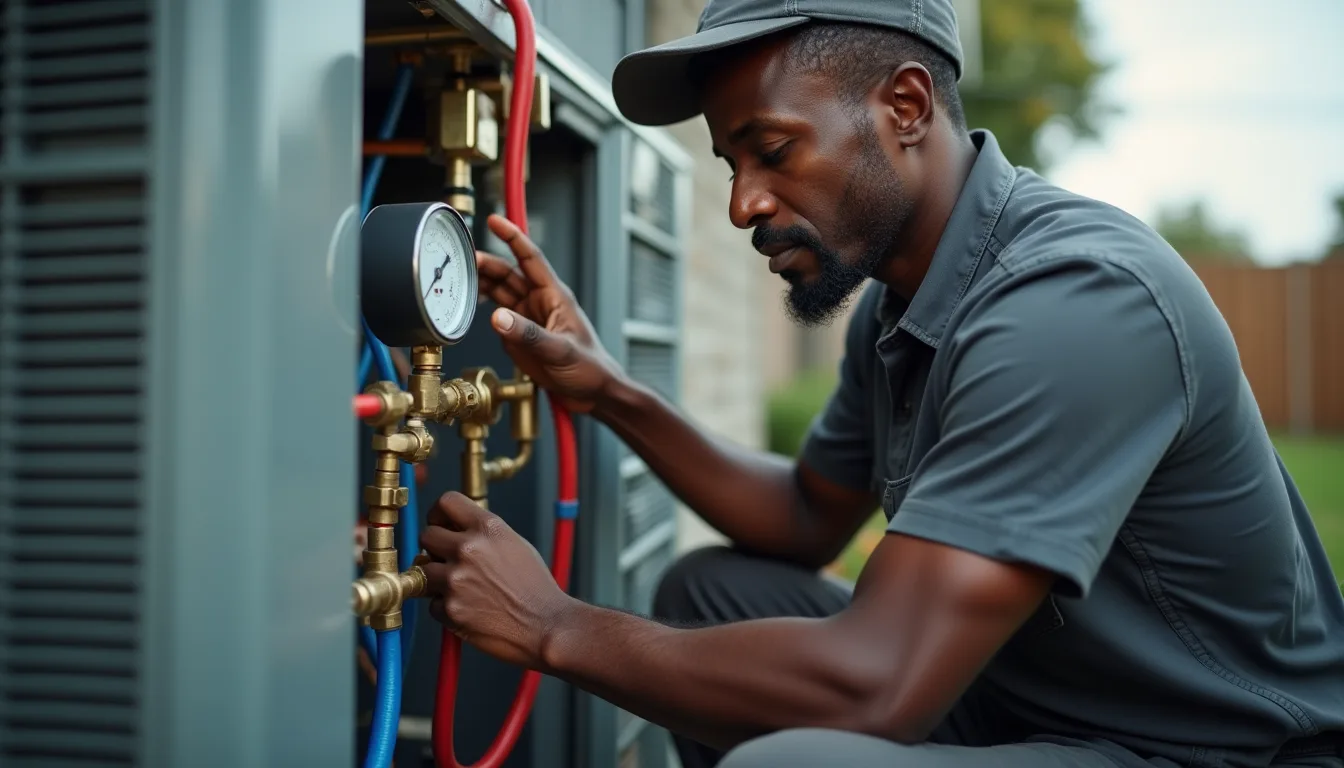
Austin is no stranger to extreme weather, where temperatures regularly soar and humidity levels can feel stifling. Imagine coming home to an oven-like house after a long day, all because your air conditioning unit has failed. Such a scenario is why savvy Austin builders strategically choose specific HVAC brands that can withstand local conditions and provide reliable comfort. The interplay of humidity, heat, and the unique foundation challenges posed by Texas clay soil necessitate HVAC systems that aren’t just well-made but also tailored to our unique climate needs.
Why This Matters for Austin Homeowners
In Austin, HVAC malfunction can lead to more than just discomfort; it can exacerbate existing foundation issues in homes built on clay soils that expand and contract. High humidity can lead to mold growth, while extreme heat puts immense pressure on cooling systems, often leading to premature failures if not properly maintained. The cost of repairs can escalate quickly, especially when homeowners are caught off-guard during peak summer months.
Choosing the wrong HVAC system can lead to inefficiencies that drive up energy bills, adding another layer of stress to an already uncomfortable situation. Homeowners often overlook these factors during construction or renovation, risking a poorly suited HVAC setup that may require replacement sooner than expected.
In an environment where severe thunderstorms and occasional hail impact property durability, selecting a robust HVAC brand that endures local weather patterns is paramount. Builders in Austin must account for these considerations if they want to deliver lasting comfort and efficiency in the homes they create.
Expert Solutions & Actionable Tips
1. Consider Energy Efficiency Ratings
When selecting an HVAC system, check the SEER (Seasonal Energy Efficiency Ratio) ratings. In Austin, models with a SEER rating of 16 or above are recommended. While energy-efficient units may cost between $3,500 and $5,500 upfront, the resulting energy bills can be significantly lower, offering long-term savings.
Keep in mind, though, that efficiency is not merely about the unit. Proper installation plays a vital role. Ensure the installers are trained and insured, especially in a unique climate like Austin's.
2. Regular Maintenance is Key
HVAC systems in Austin should undergo regular maintenance every six months, especially before summer heat sets in. A standard maintenance visit might cost between $100 and $150, but it prevents costly breakdowns later and extends the lifespan of the system.
This maintenance can involve changing filters, checking refrigerant levels, and inspecting ductwork. Knowing that severe weather can impact equipment, timely maintenance becomes even more critical.
3. Selecting the Right Size
Engage in a proper load calculation to determine the right size HVAC system for your home. Oversized units can lead to humidity issues, while undersized systems may struggle to keep up. Typically, this calculation costs around $200 to $300 but is crucial for effective long-term comfort.
In a city like Austin, with its wildly varying temperatures, the right size can make all the difference in both comfort levels and utility bills.
4. Install a Smart Thermostat
Smart thermostats can optimize your HVAC system, allowing for energy usage tracking and remote access. Units from brands like Nest or Ecobee cost about $200, with potential rebates available from utility companies.
Considering the fluctuations in Austin's weather, these devices offer users real-time adjustments based on external temperatures, which can translate to significant energy savings over time.
5. Opt for Reliable Brands
Invest in reputable HVAC brands known for durability in harsh climates, such as Trane and Carrier, which are favored by many Austin builders. While the upfront cost may be higher, paying $1,000 to $3,000 more for a reliable unit can yield fewer repair costs and lower energy bills.
Moreover, these brands often boast extensive warranties, providing peace of mind to homeowners.
6. Understanding Local Codes
Familiarize yourself with local HVAC installation codes in Austin, as they can affect your system selection. Permit costs range from $50 to $200 depending on the complexity of the installation.
If a contractor fails to follow these regulations, it can lead to fines or complications when selling your home down the road.
Working with professionals who understand these nuances ensures your HVAC system is both compliant and efficient.
Austin Climate & Local Context
Austin's climate presents unique challenges for HVAC systems; extreme summer temperatures, high humidity, and the threat of severe thunderstorms all demand considerations that aren’t found in milder climates. The combination of clay soil, which expands and contracts, can also affect the foundation of many homes, adding to the complexities of HVAC installations and repairs.
Local building codes often require specific permits for HVAC installations and modifications, ensuring that systems operate safely and efficiently. Homeowners in Austin should also be aware of the need for flexibility in installations due to possible flooding or storm damage during hurricane season from June to November.
Choosing an HVAC system isn’t merely about selecting a unit; it involves understanding the interplay of climate, building integrity, and state regulations that can significantly affect both comfort and safety.
When to Call a Professional
While many HVAC tasks can be handled by confident DIYers, certain situations are best left to the professionals. Homeowners should consult an expert when dealing with system replacements, extensive ductwork, or when encountering refrigerant leaks.
Here are some red-flag scenarios that warrant a call to a licensed HVAC technician:
- Unusual noises emanating from the system.
- Inconsistent temperatures across rooms.
- Unexplained increases in energy bills.
- Age of the system exceeds ten years.
- Frequent short cycling of the unit.
- Signs of water damage around the HVAC unit.
- Persistent odors or unusual smells.
- Reduced air quality in the home.
In a city like Austin where the temperature can rapidly fluctuate, timely intervention can prevent small issues from escalating into significant problems.
Frequently Asked Questions
What signs indicate I need HVAC repair?
If you notice unusual noises, fluctuations in temperature, or high energy bills, it may be time to consult an HVAC professional.
How often should I get my HVAC system inspected?
In Austin, it's advisable to have an HVAC inspection at least twice a year, ideally before the summer and winter seasons.
Can I install an HVAC system myself?
While minor maintenance tasks can be DIY, full system installations require expertise and building permits, common in Austin.
What should I look for in an HVAC contractor?
Seek a contractor with local expertise, positive reviews, and strong knowledge of Austin-specific building codes.
How can I improve HVAC efficiency?
Regular maintenance, smart thermostats, and ensuring proper insulation can significantly enhance your HVAC system’s efficiency.
Get Expert HVAC Service in Austin
ProHVAC Austin AC Repair & Heating Services is here to ensure your home remains a comfortable haven, even in the most unforgiving Texan heat. Don’t let HVAC troubles derail your summer fun or impact your comfort; reach out today for reliable service.
Call (737) 316-5526 now, and take the first step towards better indoor air quality and system performance!